{
“title”: “Blockchain in Science: Solving the Crisis of Reproducibility”,
“meta_description”: “Blockchain technology is reshaping scientific research by enforcing data integrity and transparency. Discover how decentralized ledgers solve the reproducibility crisis.”,
“tags”: [“blockchain”, “scientific research”, “data integrity”, “distributed ledger technology”, “open science”, “research operations”],
“categories”: [“Science”, “Technology”],
“body”: “
The Integrity Deficit in Modern Research
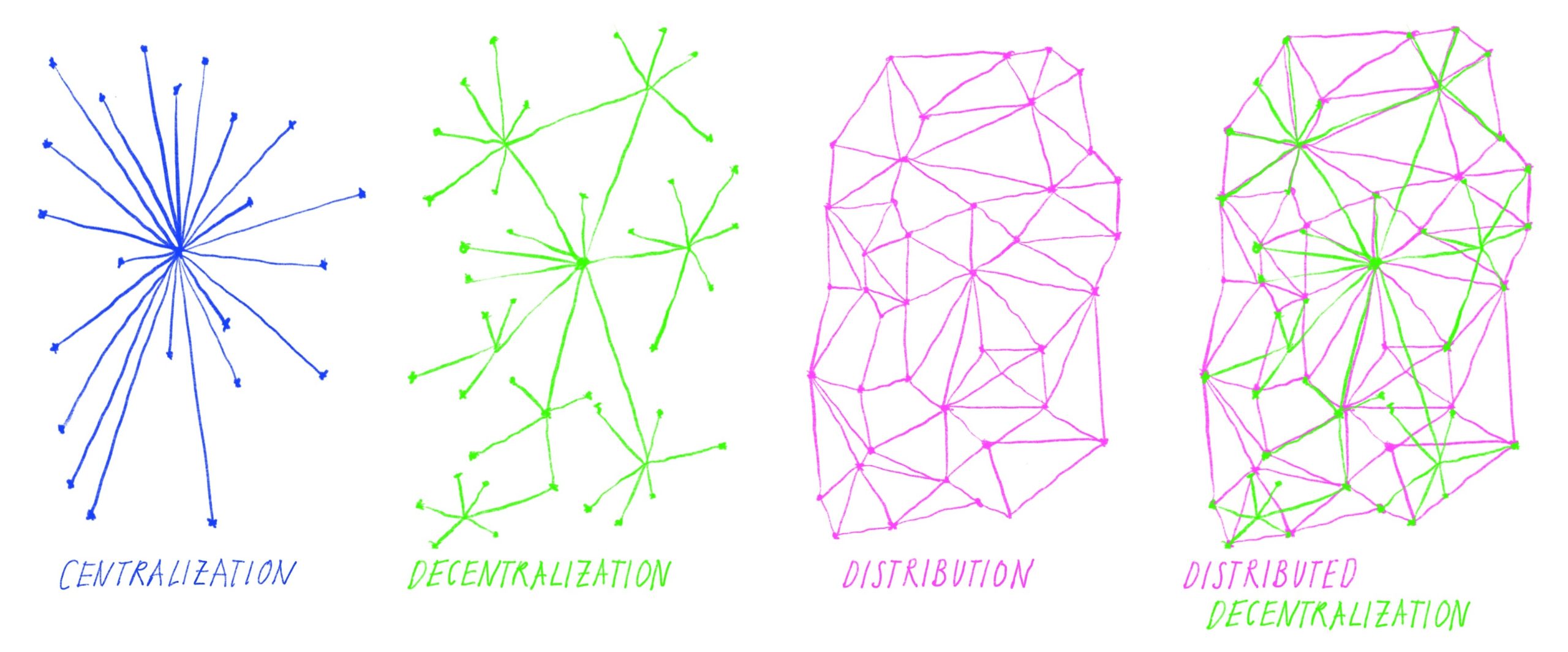
Science faces a quiet, structural collapse. The reproducibility crisis, where a significant portion of published research cannot be replicated by independent teams, has eroded trust in the scientific method. At the center of this failure is a centralized, opaque infrastructure for data storage and peer review. For leaders managing research-heavy operations, the reliance on siloed databases and proprietary journals is not merely an inefficiency—it is a catastrophic risk to data sovereignty.
Immutable Evidence as a Foundation
Blockchain offers a mechanism to shift the burden of proof from subjective peer review to objective, cryptographic verification. By using distributed ledgers, researchers can timestamp data entries at the point of origin. This creates an audit trail that is, by design, tamper-evident. When every raw data input is linked to a transaction hash, the ability for bad actors to engage in p-hacking or data dredging is neutralized. This is the ultimate implementation of high-stakes execution: removing the possibility of human error or malice from the data lifecycle.
Decentralized Peer Review
Traditional peer review suffers from bias, slow turnaround times, and a lack of accountability. A blockchain-based framework facilitates a decentralized validation process where contributors are incentivized via tokens or reputation scores. This transforms review from a volunteer, black-box process into a transparent, rewarded activity. Leaders building systems for long-term discovery should view this as a shift toward a meritocratic marketplace of ideas, reducing the systemic bottlenecks that currently stifle innovation.
Operational Leverage Through Transparency
For the high-performance organization, blockchain in science is not just about keeping records; it is about resource efficiency. The current model involves redundant experiments caused by a lack of shared knowledge. When research data is stored on public or consortium-based ledgers, it becomes a reusable asset. By integrating these practices into strategic decision-making, scientific organizations can lower the cost of entry for experimental verification and increase the velocity of breakthrough insights.
Aligning Incentives with Truth
Current academic incentives prioritize publication frequency over data quality. By introducing smart contracts to grant funding, institutions can programmatically tie payouts to the successful verification of milestones. This creates a direct feedback loop where the quality of the output dictates the sustainability of the project. It is a shift from bureaucratic oversight to automated, algorithmic accountability.
The Future of Decentralized Intelligence
As we move toward a future where AI models ingest scientific data to discover new materials or drugs, the quality of that data is paramount. Garbage in, garbage out is the greatest risk to machine-led research. A blockchain-verified dataset provides the clean, historical context that artificial intelligence requires to function reliably. To explore the broader impact of decentralized technologies on the future of our digital infrastructure, visit thebossmind.net for extended research and insights.